
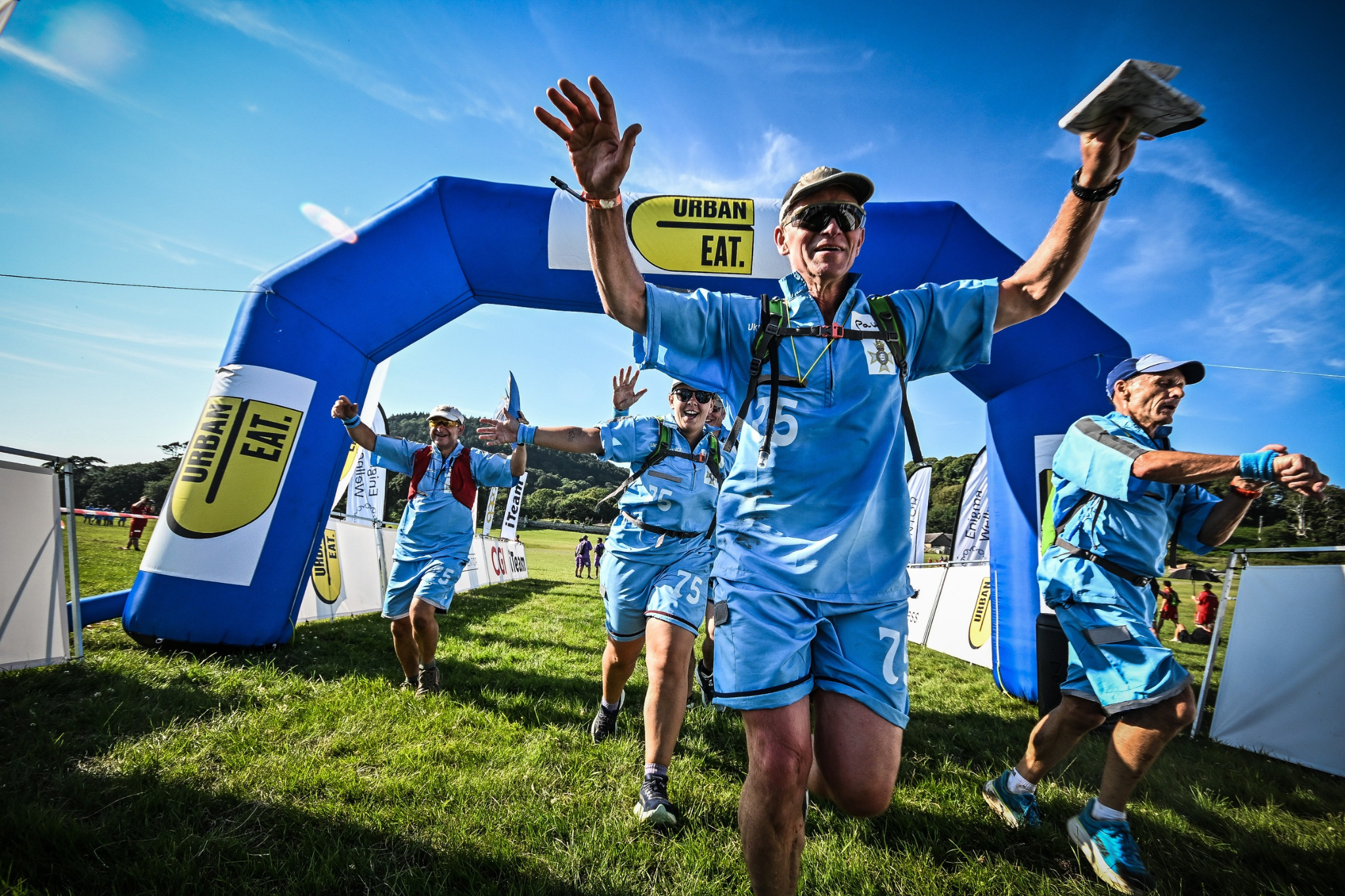
Team building is more likely to produce lasting value when it has a clear purpose, gives people something meaningful to reflect on and leads to specific changes at work. A shared activity creates an opportunity; what the team does with it matters.
Enjoyment has value too. Colleagues may appreciate time together and a chance to connect outside their normal roles. But when an organisation wants better collaboration or leadership development, it needs to look beyond whether everyone had a good day.
The useful question is what people will do differently afterwards, and how the team will help that change continue.
Start with a problem worth addressing
“Improve teamwork” is a broad ambition. Make it more specific before choosing an activity.
Perhaps handovers between departments are unclear. Decisions take too long because everyone waits for one manager. New colleagues do not yet know who to ask for help.
You do not need to solve all these issues in one event. Choose a priority and describe what better behaviour would look like. For example: “We want people to clarify ownership before they leave a planning discussion.”
This gives participants something to notice and gives managers a useful basis for follow-up.
Choose an experience that makes the behaviour visible
An activity should offer opportunities to practise or discuss the capability you want to develop.
If the focus is collaboration, consider how participants will depend on one another. If it is decision-making, consider whether the task requires choosing between options with limited information.
UK Challenge’s mix of physical and mental tasks offers a setting in which colleagues can explore different contributions. A varied programme can prompt useful discussion about how people allocate roles and respond when a task changes.
Suitability still matters. Consider participants’ needs, the demands of the activity and the support available. Ask organisers about accessibility and adjustments before booking. A development opportunity should enable meaningful participation.
Reflect on specific moments
“We communicated well” is a starting point, but it does not explain what the team should repeat.
Ask people to identify a moment: when did an instruction become clear? When did a concern change the plan? Where did the team lose time?
Keep the conversation about actions and their effects. “We began before everyone understood the instructions” is more useful than deciding someone is a poor communicator.
Use a few questions to guide the discussion:
What were we trying to achieve?
What did we actually do?
What helped or hindered us?
Where does a similar situation happen at work?
What could we try next time?
Allow different interpretations. The team may learn as much from contrasting perspectives as from immediate agreement.
Turn the insight into an experiment
Pick one or two changes that colleagues can practise in their normal work.
For example, a team that found role clarity helpful could introduce a two-minute ownership check at the end of project meetings. A team that missed useful input could gather written suggestions before discussing options.
Define when the behaviour will happen, who will help it happen and when you will review it. Small changes with a clear place in the working week are easier to sustain than broad promises to communicate better.
Make follow-up part of the plan
Schedule the follow-up before the activity. Otherwise, the return to deadlines can push the learning aside.
At the review, ask what people tried and what changed. If the new behaviour did not happen, examine the obstacles. An overloaded schedule, unclear authority or conflicting targets may be limiting the team’s ability to use it.
Team building cannot, by itself, fix those organisational conditions. It can help make them easier to discuss and identify where further action is needed.
Measure the outcome you wanted
Participant feedback tells you about the experience. Pair it with evidence relevant to the original objective.
That could include fewer unclear handovers, a shorter decision process or examples of colleagues seeking expertise across departments. Record a baseline where practical and treat wider business results carefully: many factors affect them.
For a future team-building activity, agree the purpose and follow-up before discussing the programme. That gives the experience a clearer role in your team’s development.
Explore UK Challenge if your organisation is looking for a shared challenge to build into that wider process.