
The person who speaks first can influence the entire discussion. Their idea becomes the starting point, others respond to it, and the team begins refining a plan before everyone has had time to think.
Meanwhile, a colleague may be considering an alternative, noticing a risk or waiting for a gap that never comes.
Quietness tells us little about the quality of someone’s thinking. It may reflect personality, unfamiliarity with the group, the way a meeting is run or a preference for considering information before responding.
Teams that rely mainly on spontaneous contributions can miss useful expertise. Leaders can improve participation by changing how input is gathered, rather than expecting everyone to communicate in the same way.
Being heard depends on the setting
A lively discussion suits some people. Others find it harder to enter, particularly when colleagues interrupt or a senior person has already expressed a strong view.
This does not mean quieter people always have better ideas. It means the team needs a fairer way to hear and assess the ideas available.
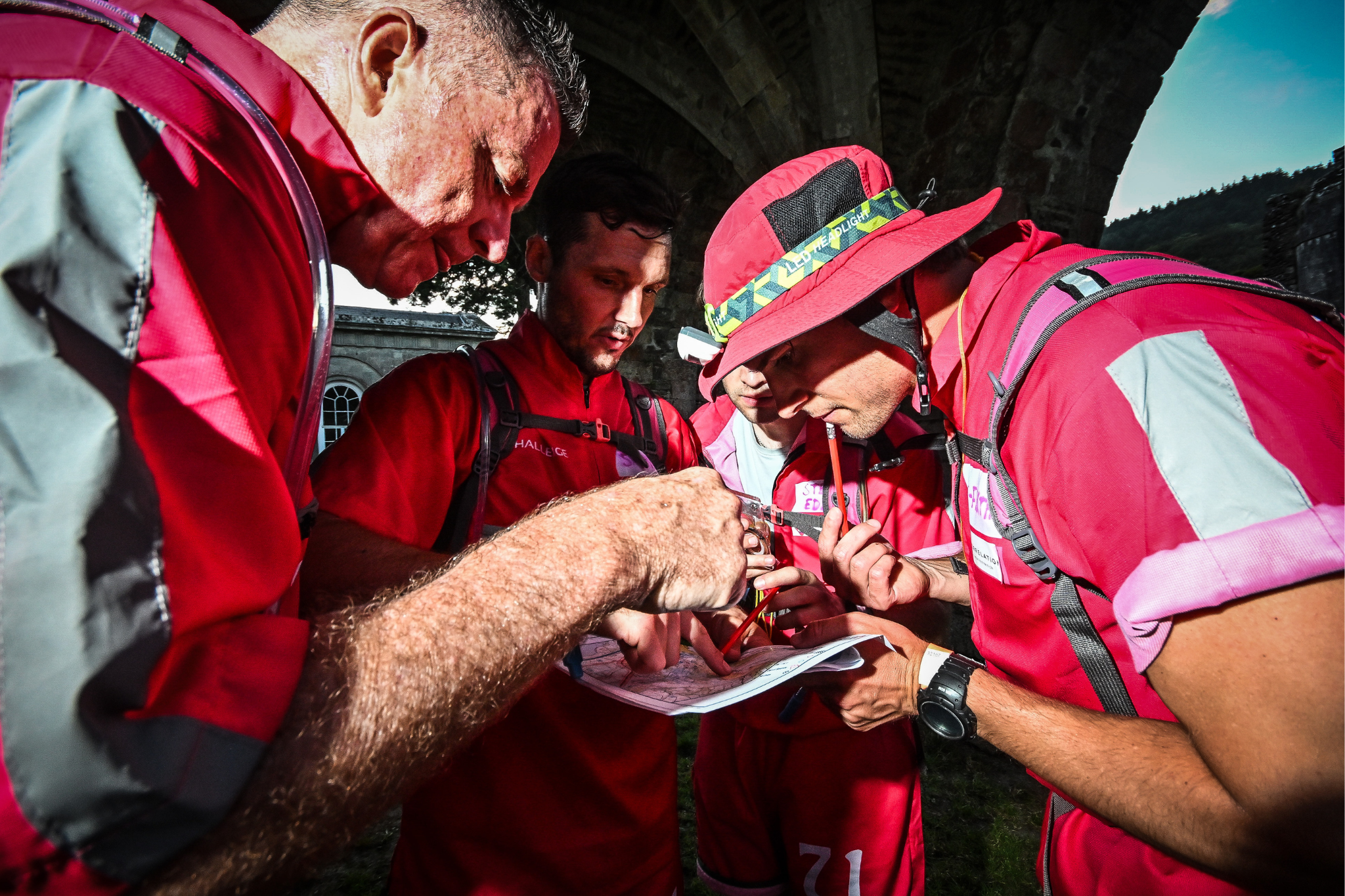
Consider an illustrative challenge scenario: several people immediately begin discussing a route, while someone else studies the instructions and spots a condition that changes the options. If the team commits before checking what everyone has noticed, it can miss information already within the group.
At work, the same pattern can affect a project plan, a customer issue or a decision about resources.
Give people a little time to think
Share the main question or relevant information before the meeting where possible. Explain what sort of input you need.
For a complex decision, allow a brief period of individual thinking before group discussion. Ask people to write down an option, a concern or a question.
This gives more colleagues a starting point and reduces the chance that every response is shaped by the first suggestion. It can also help confident speakers develop a more considered contribution.
The aim is useful thinking across the group, rather than turning quiet colleagues into more frequent speakers for its own sake.
Ask an invitation that people can answer
“What do you think?” can be a difficult question when someone is put on the spot.
More specific invitations are often easier: “From the customer-service perspective, what would we need to consider?” or “You have worked with this process before. What could we be missing?”
Explain why you are asking and allow time for the answer. If someone would prefer to follow up in writing, make that option useful too.
Avoid publicly labelling someone as “the quiet one”. That draws attention to their manner of contributing rather than the knowledge you want to hear.
Change how the discussion is managed
A few simple habits can make participation easier. The chair can stop interruptions, summarise what has been heard and invite views that have not yet been explored.
For an important decision, ask each person for a concern or alternative before settling on the approach. Allow people to pass if they have nothing to add.
When there is disagreement, explore the reasoning. A tentative suggestion deserves the same attention to evidence as a confidently delivered one.
These habits also benefit the people who speak most. They get access to a wider range of information and less responsibility for carrying every conversation.
Show what happened to the contribution
Inviting input loses credibility if it repeatedly disappears without explanation.
Tell the team what changed as a result of the discussion. If an idea was not adopted, explain the relevant constraint or trade-off. Recognise contributions accurately, without turning a person’s first public comment into a spectacle.
Over time, people can see whether it is worth sharing something unfinished or raising a concern. Leaders build that confidence through their responses.
UK Challenge brings colleagues together around varied tasks that may draw on capabilities less visible in everyday roles. The opportunity is to notice those contributions and keep making room for them afterwards.
At your next meeting, pay attention to whose thinking shapes the decision. Then ask what would help you hear from the rest of the team.