
A high-performing team shares a clear goal, uses people’s different strengths and communicates well enough to adapt when circumstances change. Individual ability matters, but the way people work together determines whether that ability becomes a useful result.
That can be easy to overlook at work. A team may have experienced people, strong qualifications and a full calendar of meetings, yet still struggle to make decisions or deliver consistently.
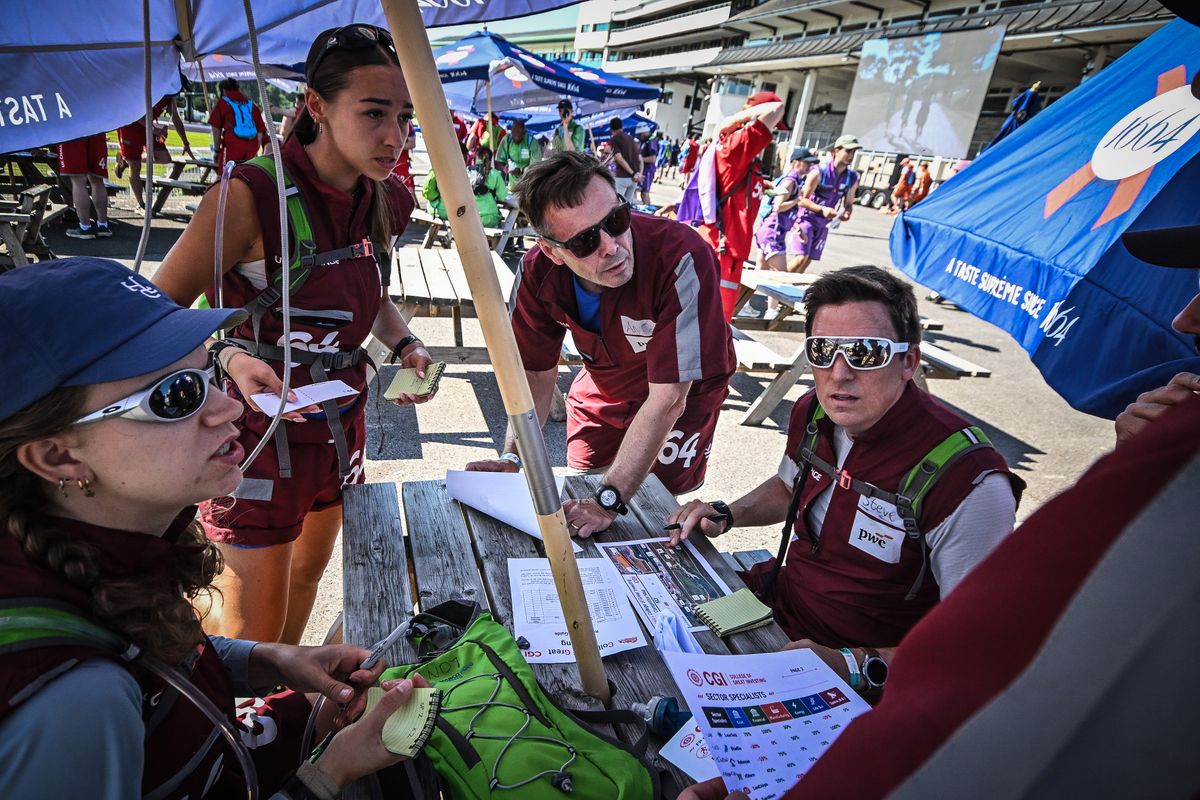
UK Challenge brings teamwork into a different setting through running, cycling, kayaking, navigation and mental challenges. A varied challenge creates a useful question for any organisation: when the task changes, can the team change how it works?
The answer starts with the habits people build together.
A shared goal needs a shared meaning
“We want to do well” sounds like agreement. It leaves plenty unresolved.
Imagine a team tackling an unfamiliar navigation task. One person wants the fastest possible route. Another wants to check every decision. Someone else is concerned about keeping the group together. All three want success, but they are making different assumptions about how to achieve it.
Workplace teams face the same problem. “Improve the customer experience” could mean faster responses, fewer complaints or a more personal service. Unless people agree what matters most, they can work hard in different directions.
Before starting, define the outcome, the main constraints and the trade-offs the team is willing to make. People should understand how their part contributes to the whole.
Different strengths need somewhere to contribute
A team full of capable individuals can still have gaps. If everyone prefers generating ideas, who checks feasibility? If everyone is cautious, who helps the group commit?
Complementary strengths allow teams to share the work more intelligently. One person may interpret information well, another explain it clearly, and another notice when the plan is becoming impractical.
These contributions do not always match job titles. Give people opportunities to demonstrate what they can do, then use that knowledge when assigning responsibility. Ask who has relevant experience before assuming the most senior person should take the task.
Communication should reduce uncertainty
Good team communication helps people understand what is happening and what to do next. More conversation alone will not achieve that.
A useful instruction explains the decision, identifies who is responsible and makes clear when the team will check progress. The person receiving it should have a chance to confirm their understanding.
During a difficult task, a short pause to check agreement can save a much longer detour. At work, the equivalent might be clarifying the handover between departments before everyone returns to their own priorities.
Try asking: “What are we each doing next, and where do we depend on one another?” The answers often reveal gaps that a general request for updates misses.
Trust includes the freedom to raise a concern
Trust is partly about knowing colleagues will follow through. It also involves being able to say, “I think we have missed something,” without expecting embarrassment or dismissal.
If people hide uncertainty, the team loses access to information it needs. If someone can ask for help early, others have more time to respond.
Leaders influence this through everyday reactions. Thank people who flag a problem. Explore the concern before defending the plan. Admit when an assumption needs revisiting. These actions make speaking up more useful and less costly.
Adaptability means changing with a purpose
A high-performing team needs a way to distinguish persistence from carrying on with a failing approach.
Agree when to review the plan and what evidence would justify a change. That might be a missed checkpoint, a new constraint or feedback showing the original approach is not working.
When you change direction, explain why. Otherwise, adaptability can feel like confusion, with people repeatedly starting again without understanding what they have learned.
Take one behaviour back to work
Shared challenges become more valuable when teams discuss the decisions behind the experience. Who helped the group understand the task? Where did information get lost? What made it easier to ask for help?
Choose one behaviour to carry into the next project. It could be checking understanding before dividing the work or inviting each person’s view before a major decision. Assign someone to revisit it at the next team meeting.
Team performance grows through these specific habits. UK Challenge offers a setting in which to explore them together; the workplace is where teams can keep practising them.
If your organisation wants to explore how its people collaborate beyond their usual roles, discover what taking part in UK Challenge involves.